
 Make an Enquiry
 Start your design
 Contact us
 Service call

U-Values: What They Mean and What to Look For
July 27 2026
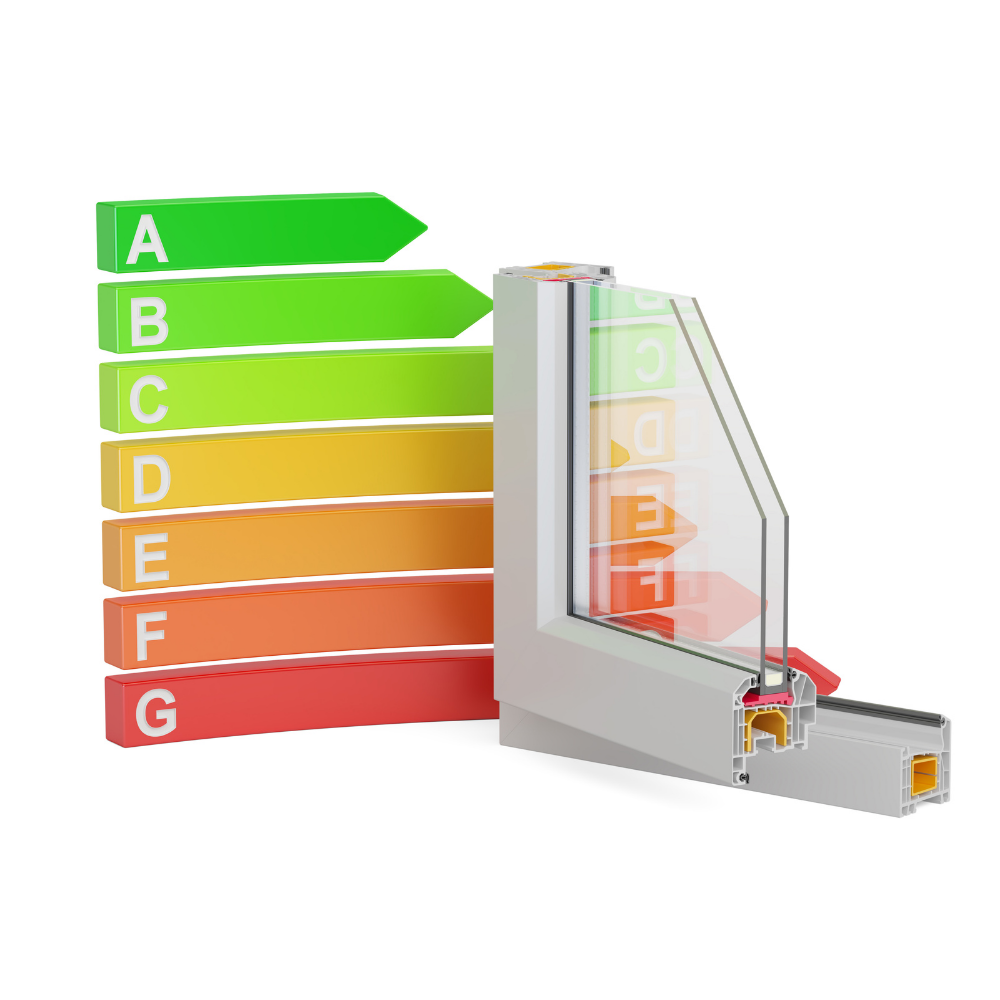
If you’re comparing new windows, you’ve probably come across the term U-value. It's one of the most important measurements to show how windows will keep your house warm.
It simply means, the lower the U-value, the better the window is at reducing heat loss. U-values are measured in W/m²K (watts per square metre per kelvin), and they measure the rate of heat transfer through a window.
For a homeowner this means a window with a low U-Value can help reduce coldness aroumd your window and reduce the amount of heat lost from your home.
.png)
What Is a Good U-Value for Windows?
For replacement windows in the UK, around 1.4 W/m²K or lower is a useful benchmark, although the exact requirements depend on the circumstances and the applicable Building Regulations.
Standard double-glazed windows can achieve U-values below this, while higher-performance double and triple-glazed units can go considerably lower.
As a general guide:
| Performance
|
Approximate U-value
|
Typical application
|
| Poor
|
2.0–3.0 W/m²K
|
Older single glazing and less efficient windows
|
| Standard
|
Around 1.4 W/m²K
|
Typical replacement window performance
|
| Good
|
1.2–1.3 W/m²K
|
Modern, energy-efficient double glazing
|
| High performance
|
0.8–1.0 W/m²K
|
Premium double or triple glazing
|
| Very high performance
|
0.6–0.7 W/m²K
|
Specialist triple glazing and low-energy projects
|
Why Do U-Values Matter?
Windows can be one of the weaker points in a home. Older or poorly insulated glazing allows more heat to escape, which can leave rooms feeling colder and increase the amount of heat you'll use to keep it warm.
A lower U-value means less heat is transferred through the window. This can help:
- Keep rooms more comfortable in colder weather
- Reduce heat loss through the glazing
- Reduce cold areas around windows
- Improve the overall thermal efficiency of your home
- Support a better EPC rating, depending on the property and other improvement
What Affects a Window's U-Value?
There's several parts to a window make up that deremines how well it will insulate your home.
Low-Emissivity Glass
Low-emissivity, or low-E, coatings help reflect heat back towards the inside of the property while allowing natural light through the glass.
Argon Gas
Many modern double glazed units use argon gas between the panes. Argon has better insulating properties than air and helps reduce heat transfer.
Warm-Edge Spacers
The spacer sits around the edge of the sealed glass unit. Modern warm-edge spacer systems help reduce heat loss around the edge of the glass.

U-Value Isn't the Only Performance To Measure
Thermal performance is important, but it isn't the only factor to consider when choosing new windows.
G-Value and Solar Gain
The g-value indicates how much solar energy passes through the glazing. This can be useful when considering large areas of glass or south-facing rooms, where excessive solar gain can contribute to overheating.
Air Permeability
Good-quality windows are designed to limit unwanted air flow when closed. Effective seals, gaskets and locking systems can help reduce draughts and improve comfort.
Acoustic Performance
If your property is close to a busy road, the glazing spec can also make a big difference. Glass thickness, window configuration and the space between panes can all affect sound insulation.
Local Energy-Efficient Windows
Here at Swadlincote Windows, we manufacture, supply and install windows to suit a vast range of properties and requirements. From uPVC window systems to thermally broken aluminium. We can help you compare the options and choose a product that works the best for your home.
The right window isn't simply about choosing the lowest number on paper.. It's about combining thermal performance, quality, security, appearance and professional installation to create windows that perform well for years to come.






.png)
.png)